Every morning, your body wakes up ready to tackle the day ahead. But behind the scenes, billions of cells are working tirelessly to keep you energized, focused, and healthy. The secret fuel powering these cellular processes? Vitamins. Understanding how vitamins support your daily health can transform the way you approach nutrition and wellness, helping you make informed choices that benefit your body for years to come.
Vitamins aren’t just supplements you take when you’re feeling under the weather. They’re essential nutrients that participate in nearly every function your body performs, from converting food into energy to protecting your cells from damage. Let’s explore why these micronutrients deserve a central place in your daily health routine.
Think of vitamins as the spark plugs in your body’s engine. Without them, even the best fuel won’t get you very far. These organic compounds work as coenzymes, meaning they help enzymes carry out chemical reactions that keep you alive and thriving.
Your body can’t produce most vitamins on its own, which is why getting them through diet or supplementation becomes crucial. When you’re deficient in even one vitamin, the effects can ripple through multiple body systems, affecting everything from your mood to your immune response.
Your immune system is your body’s defense force, constantly patrolling for threats like viruses, bacteria, and other pathogens. Several vitamins play starring roles in keeping this system strong and responsive.
Vitamin C is perhaps the most famous immune supporter. It helps produce white blood cells, which fight infections, and acts as a powerful antioxidant that protects these cells from damage. When you’re stressed or exposed to environmental toxins, your vitamin C needs increase.
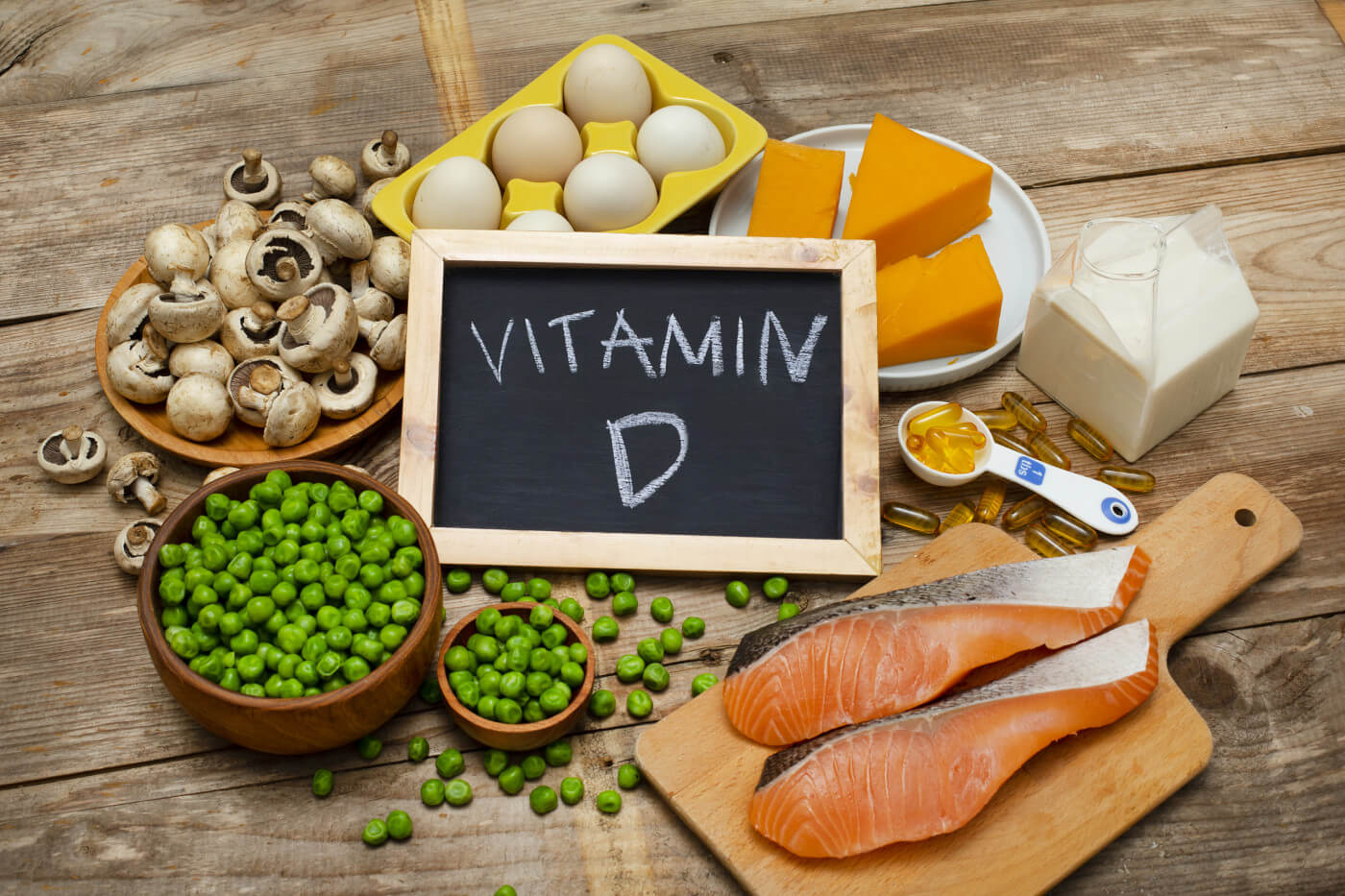
Vitamin D3 benefits extend far beyond bone health. This vitamin acts more like a hormone, influencing immune cells to respond appropriately to threats without overreacting. People with adequate vitamin D3 levels tend to experience fewer respiratory infections and recover faster when they do get sick.
Vitamin A supports the mucous membranes in your nose, throat, and lungs, your first line of defense against airborne pathogens. Meanwhile, vitamin E protects immune cells from oxidative stress, helping them stay effective as you age.
Ever wonder why some days you feel energized while others leave you dragging? The benefits of vitamins for daily health become especially apparent when we look at energy production.
The vitamin-B complex is your metabolic powerhouse. Vitamin B12 benefits include helping convert the food you eat into glucose, which your cells use for energy. It’s also essential for red blood cell formation, which carries oxygen throughout your body. Without adequate B12, fatigue becomes inevitable.
Thiamine (B1), riboflavin (B2), and niacin (B3) work together in the mitochondria, the energy factories inside your cells. They help break down carbohydrates, fats, and proteins, extracting every bit of energy your body can use.
Folic acid health benefits include supporting cell division and DNA synthesis. During periods of rapid growth or high physical demand, folic acid becomes especially important. It works closely with B12 to keep your energy levels stable throughout the day.
Your bones might seem static, but they’re constantly being broken down and rebuilt. Calcium gets most of the attention for bone health, but it can’t do its job without vitamins D and K. Vitamin D helps your intestines absorb calcium from food, while vitamin K directs that calcium into your bones rather than your arteries.
This partnership becomes increasingly important as you age. Maintaining strong bones isn’t just about preventing fractures, it’s about preserving mobility and independence well into your later years.
Your brain, meanwhile, has its own unique vitamin needs. The B vitamins, particularly B6, B12, and folate, help produce neurotransmitters, the chemical messengers that regulate mood, memory, and cognition. Vitamin E protects brain cells from oxidative damage, which accumulates over time and contributes to cognitive decline.
Vitamin D also influences brain health, affecting everything from mood regulation to neuroplasticity your brain’s ability to form new connections and adapt to challenges.
Here’s an uncomfortable truth: even with the best intentions, maintaining a perfectly balanced diet every single day is challenging. Work stress, travel, food quality variations, and busy schedules all interfere with optimal nutrition.
This is where multivitamin benefits become practical rather than theoretical. A quality multivitamin acts as nutritional insurance, filling in the gaps that inevitably appear in your diet. It’s not a replacement for whole foods, but rather a safety net that ensures you’re meeting your basic needs.
Modern farming practices, soil depletion, and food processing have reduced the nutrient density of many foods compared to decades past. Even when eating plenty of fruits and vegetables, you might not be getting the vitamin levels your grandparents did from the same foods.
For specific populations, pregnant women, older adults, vegetarians, or those with absorption issues, targeted supplementation becomes even more important. Products like Vitamil syrup offer liquid formulations that can be easier to absorb, while options like Bio-Col vitamin tablets provide comprehensive coverage of essential nutrients in convenient forms.
Not all supplements are created equal. When considering the best vitamin supplements in Pakistan or anywhere else, look for products from reputable manufacturers who follow good manufacturing practices. Third-party testing, proper storage, and clear labeling all matter.
Bio-Labs vitamin supplements, for example, represent the kind of quality manufacturing that ensures you’re getting what’s listed on the label. The supplement industry isn’t as tightly regulated as pharmaceuticals in many countries, making brand reputation crucial.
Pay attention to bioavailability how well your body can actually absorb and use the vitamins. Some forms are more readily absorbed than others. Vitamin D3, for instance, is more effective than D2. Methylated B vitamins work better for people with certain genetic variations.
Understanding how vitamins support your daily health empowers you to take control of your wellness journey. These essential nutrients work quietly behind the scenes, supporting immunity, energy production, bone strength, and cognitive function. While a balanced diet should always be your foundation, quality supplementation can help bridge nutritional gaps in our modern world.
Remember, the goal isn’t perfectionism’s consistent progress. Whether you’re considering a comprehensive multivitamin or specific supplements to address particular needs, choose quality products from trusted sources. Your body works hard for you every single day. Giving it the vitamins it needs is one of the simplest yet most powerful ways to support your long-term health and vitality.

Research
for
better
HealthCopyrights © - 2026 Bio-Labs | All rights reserved.